


Woodland is a low-poly 3D Platform Adventure game where you play as the flying squirrel, Skipper!
Length
6 Weeks
2021
Genre
3rd Person
Platform Adventure
Team
6 People


Contributions
Concept
Woodland is a third-person adventure platformer game that features Skipper, a flying squirrel who has become lost in the woods and cannot find their family. They are now on a quest to reunite with their family by searching through the forest, where they were last seen. However, dangerous creatures lurk around in the woods. Will they find their family again?

Game Pillars
Climbing Trees
Navigate the world by utilizing Skipper's climbing prowess.
Gliding
Soar and glide through the skies, weaving between trees.
Exploration
Collect pickups for score and other objectives that encourages exploration
Core Loop
Climb Trees
Climb trees to get a better vantage point and get to safety
Avoid Enemies
Avoid the lurking enemies that would find Skipper a tasty snack!
Find pickups along the way to gain score and overcome objectives to progress
Find Pickups
Level Design Progress
Moodboard
Two levels had been planned for Woodlands. Since the game would take place in a forest area with a lot of trees, I aimed to distinguish the levels from one another. During my research and moodboard creation, I came across references portraying forests in various seasons. I would then make a moodboard for level 1 set in summer time and a moodboard for level 2 set in autumn.

Level 1 Moodboard

Level 2 Moodboard

Level Maps
I proceeded to create two different detailed level maps, which I would follow when building the whitebox in Unity. I spent time during the preproduction to plan out what kind of elements the game would have.

For level 1, I wanted the players to gradually be introduced to the game mechanics. Starting off with a simple jumping tutorial and then sort of drip-feeding the player new elements. The player would learn about climbing trees, pickups, hazards and avoiding enemies. Landmarks were also planned as it was intended to be an open area, therefore I wanted players to be able to orient themselves better.

For Level 2, a simple gathering quest would be introduced to the player. I planned out where the quest would be introduced and where the pickups would be positioned. A new type of enemy would be introduced. I also wanted to add a new type of hazard to keep the players on their toes!
I also created a sketch to get a sense of the comparison between the platforms and the character. The main platforms being the tree, fallen logs and stones.

Not Climbable
Climbable
Player
Stone
Fallen Log
Size Comparison between the character and different platforms
Tutorials & Affordances
As the game was intended for a younger audience, I wanted to let the players ease into the game and let them try out the different mechanics and player movement many times, allowing them to fail without it feeling too hindering. The game was to be diegetic and I wanted to avoid to have text as tutorial.
The player starts on a small island surrounded by water, with a tree next to them. They would be tasked to get over to the other side. They would not be able to do so just by jumping and they wouldn't be able to climb on the mountainous background.

The Player
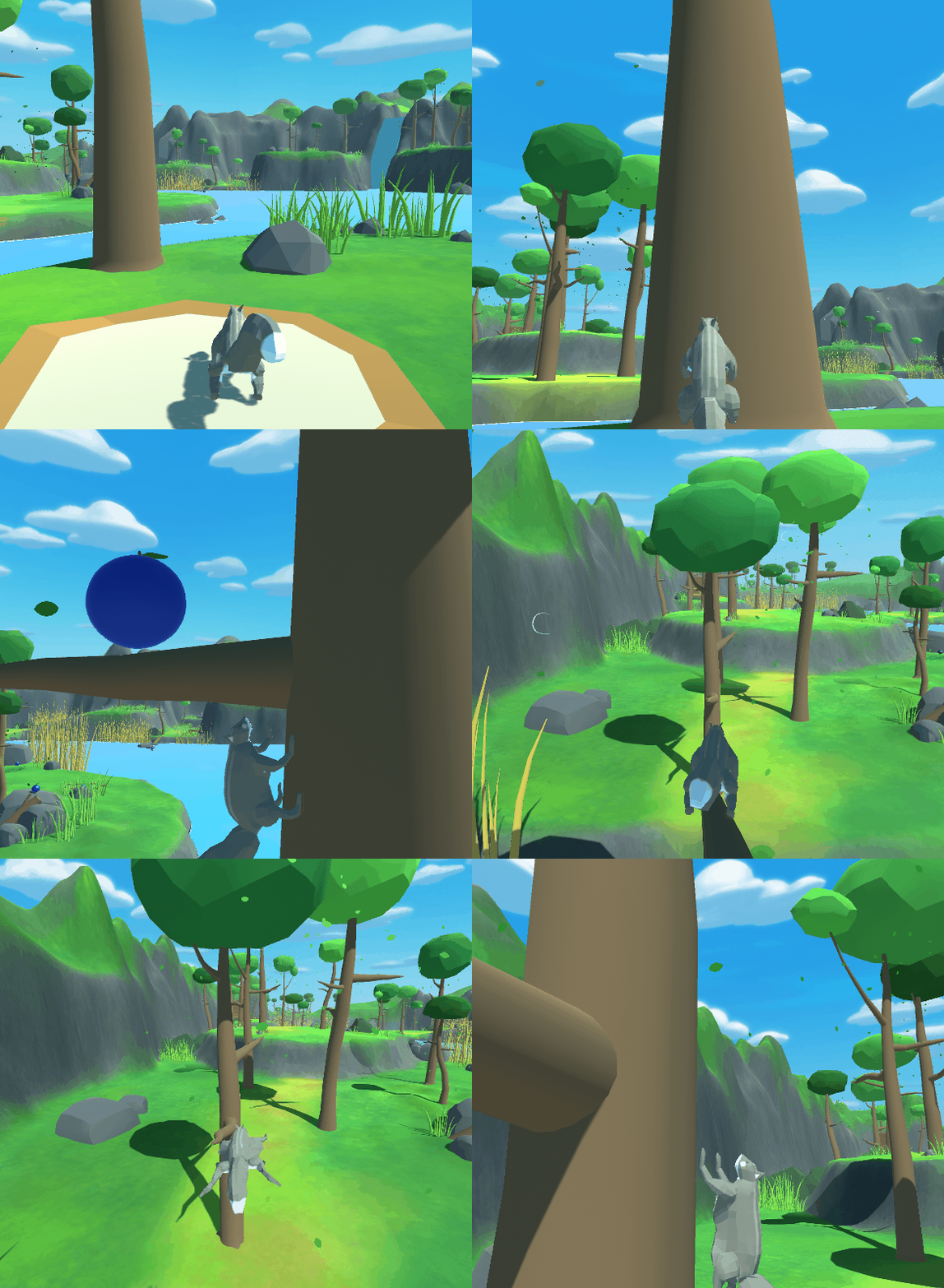
During playtesting, many players would often try to jump over the water and fail and hitting the water would instantly kill the player. However, as they would spawn quickly, there were no immediate frustrations. Instead, the player would try to then try to climb the tree. Afterall, being a flying squirrel that can climb trees is an affordance that the players would understand. They would then try to jump across and start gliding through the air. Players would quickly grasp how the mechanics worked.

The players would then be introduced to the first enemy, a flying bird!
The affordance of the bird being a predator and again, playing a flying squirrel would make the players avoid them. They would also then avoid the two other enemies, the hedgehog and the fox as they learned about the dangers lurking. These are discussed further in the Encounter Design section.
Hazards
I designed and implemented the hazards of the game. I used both static and moving hazards that would convey the feeling of danger to the player. They were designed to be instant kills.
The traps and water were the first to be introduced, they would be static on the ground that the players could easily avoid.
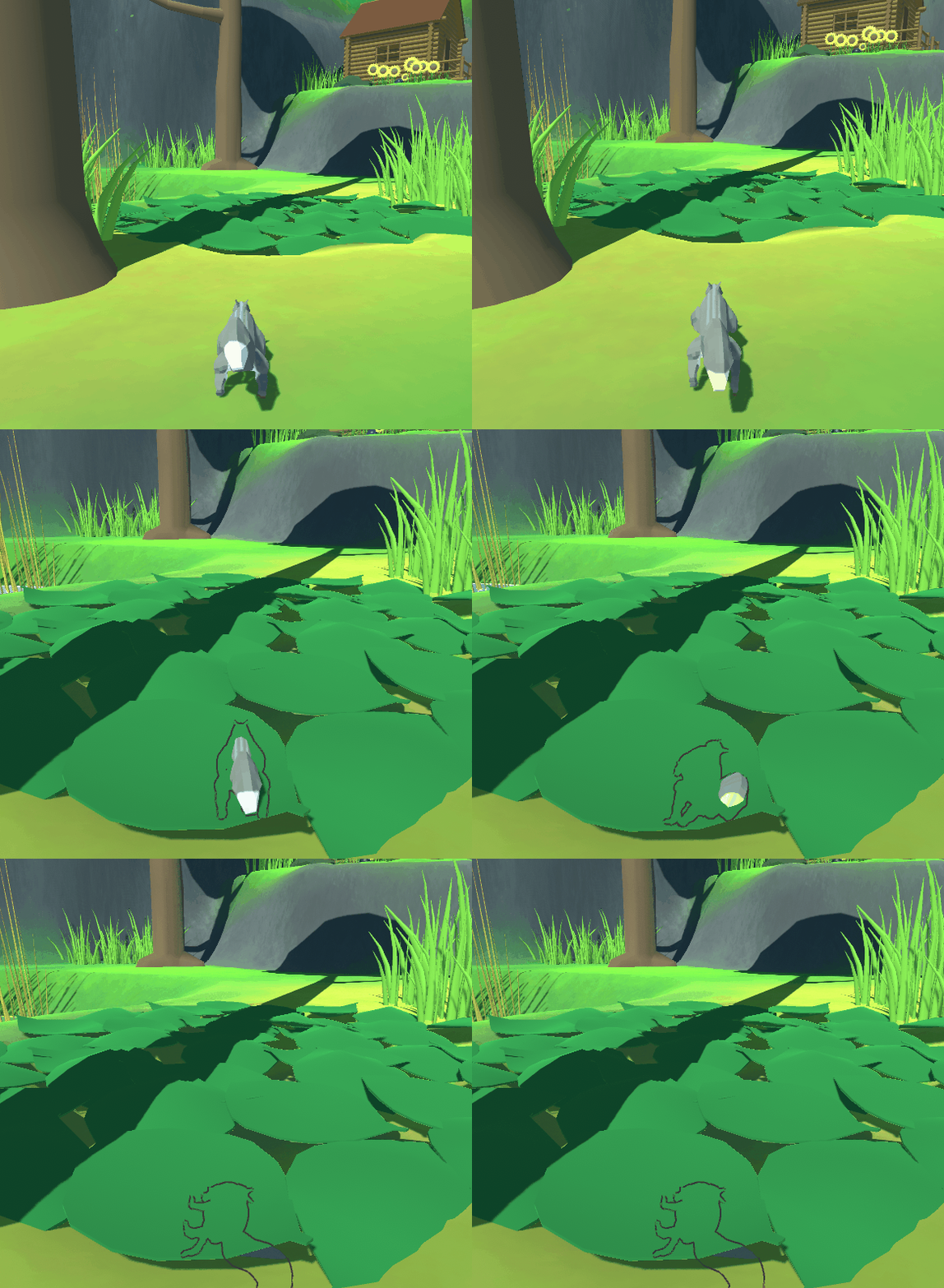

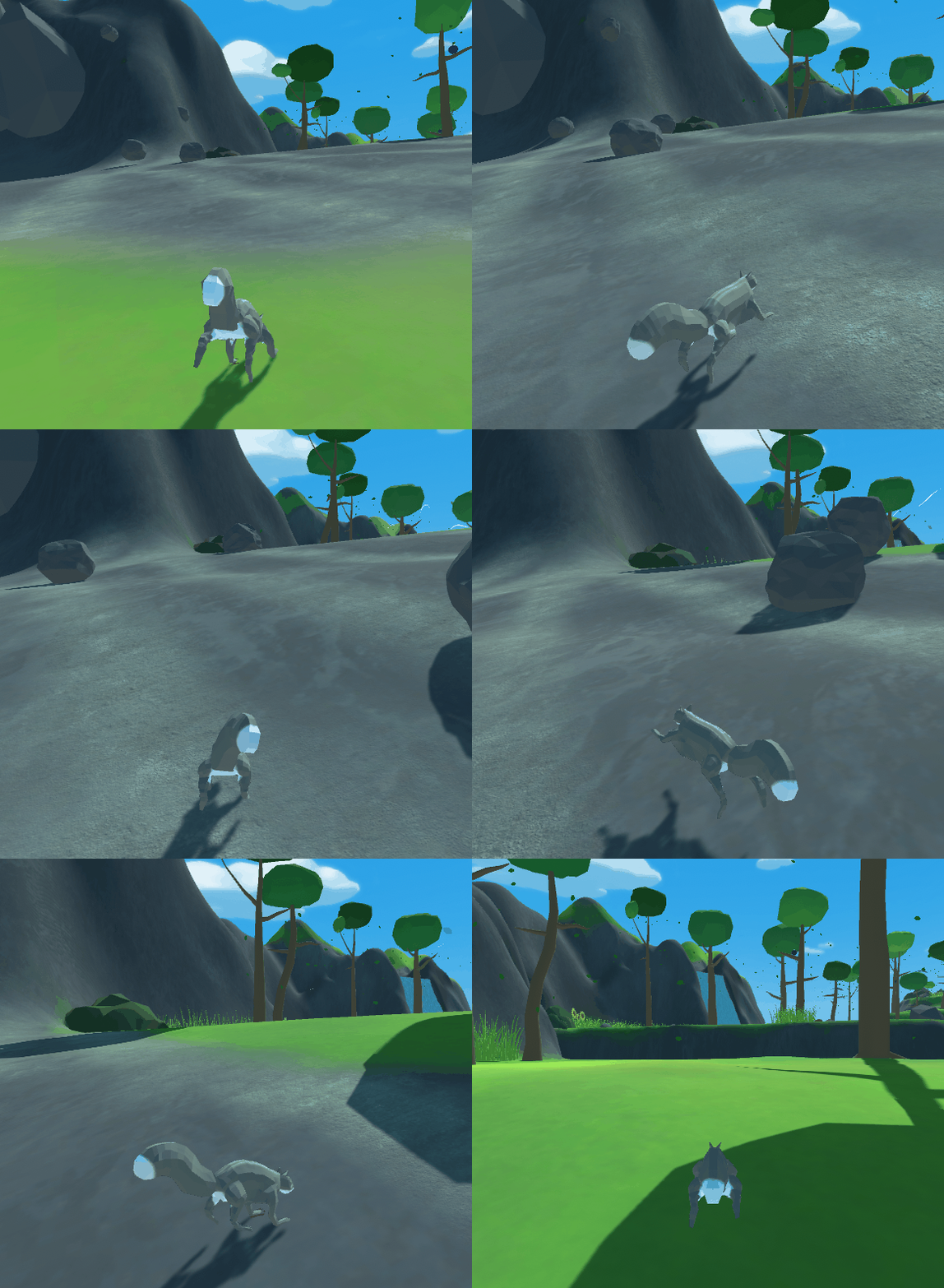
The falling rocks were created using Unity's animation. I had at first implemented them by randomly spawning them in the air and allowing them to randomly fall down. However this posed an issue as the randomness would make it too difficult for the player to be able to progress. I would then create animations for them so they would follow the same trajectory every time. I would also add paths on the ground to indicate where the rocks would be tumbling towards.
The Mire was the last hazard to be introduced. I designed and scripted these to slowly kill the player if they were stood on it for a set amount of seconds. The indication would be the screen growing darker and darker until the player finally died. The Mire would also stop the players from being able to jump.
However, as the previous hazards were instant killers the players would also try to entirely avoid this.
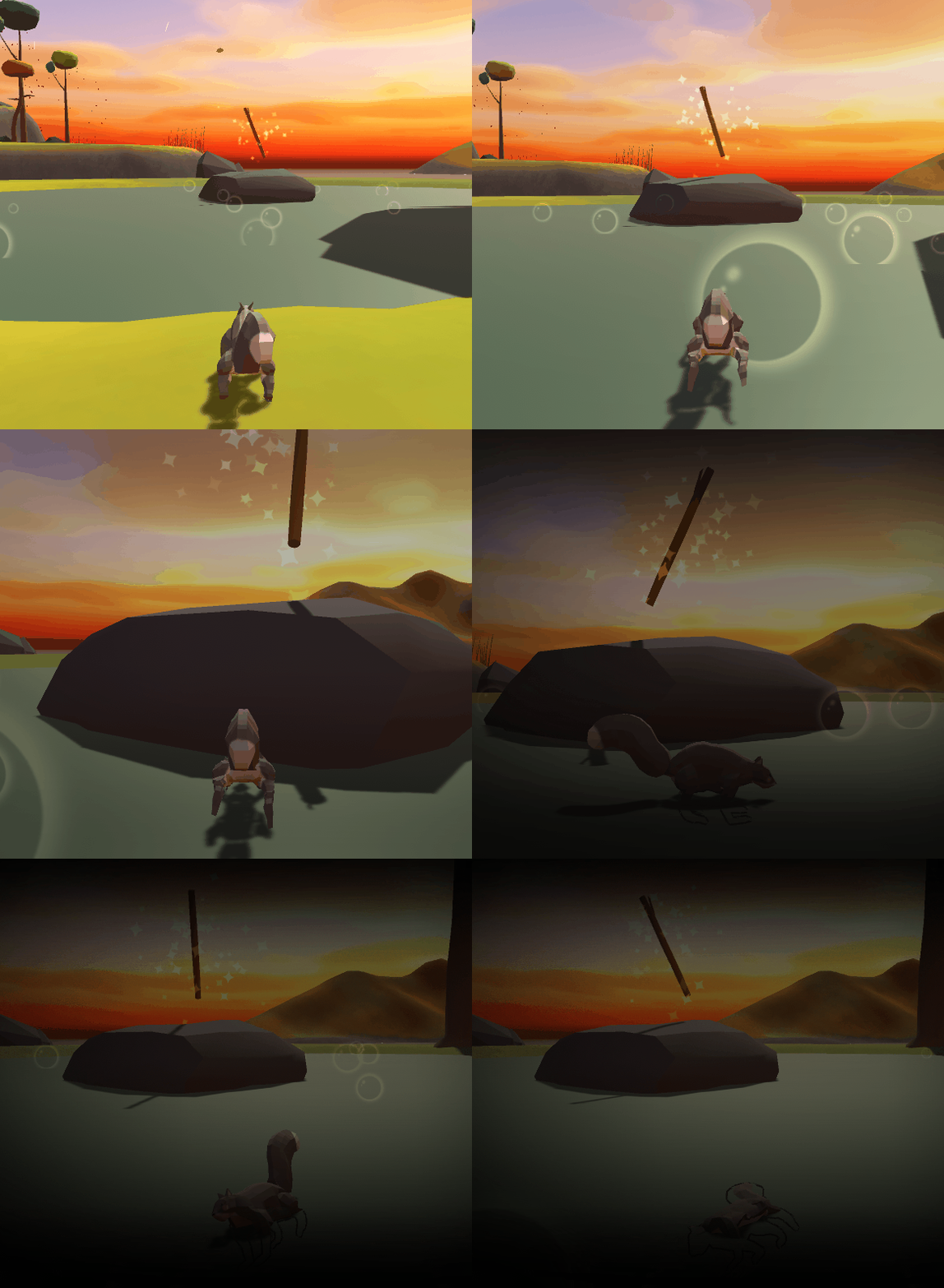
The Script I wrote for the Mire hazard.
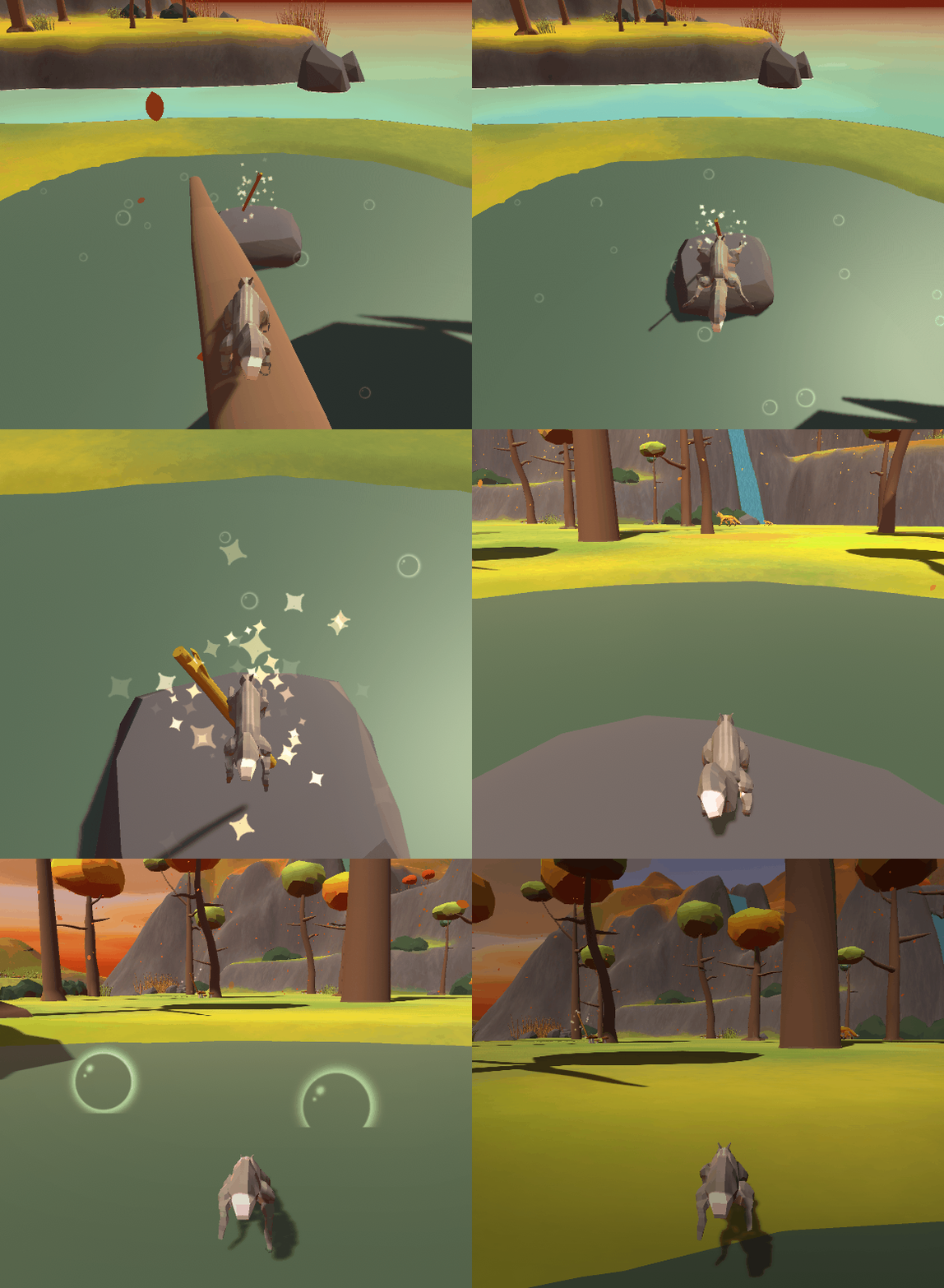
To force the players to interact with the mire, I had placed a quest item on a rock that would be accessible by gliding down from a tree. However, they wouldn't be able to get away from there without touching the mire. I would often see in playtests that players would avoid it and then get an "aha" moment whenever they had to touch it.
Afterwards I could use the Mire that would cover an entire path but the player would know how to overcome it.
Blockout to End Result


For the first level I had created a whitebox that felt too boxy for an open forest area. I would later on use the landscape tool to build the ground and dressing it to get the feeling I was going for. I also painted a path to lead the player.


For the second level I opted out of creating the whitebox and instead began with the landscape tool.
Encounter Design
The player cannot defeat the enemies by killing or trapping them. Instead players had to utilize the surroundings and environment to escape and avoid the enemies. This meant that the enemies had to be positioned and patrolling around areas that would allow the player the ability to escape them, either through jumping over obstacles, climbing trees or gliding away from them.
Players would be encouraged to figure out the pathing of the enemies and find the safest way forward.
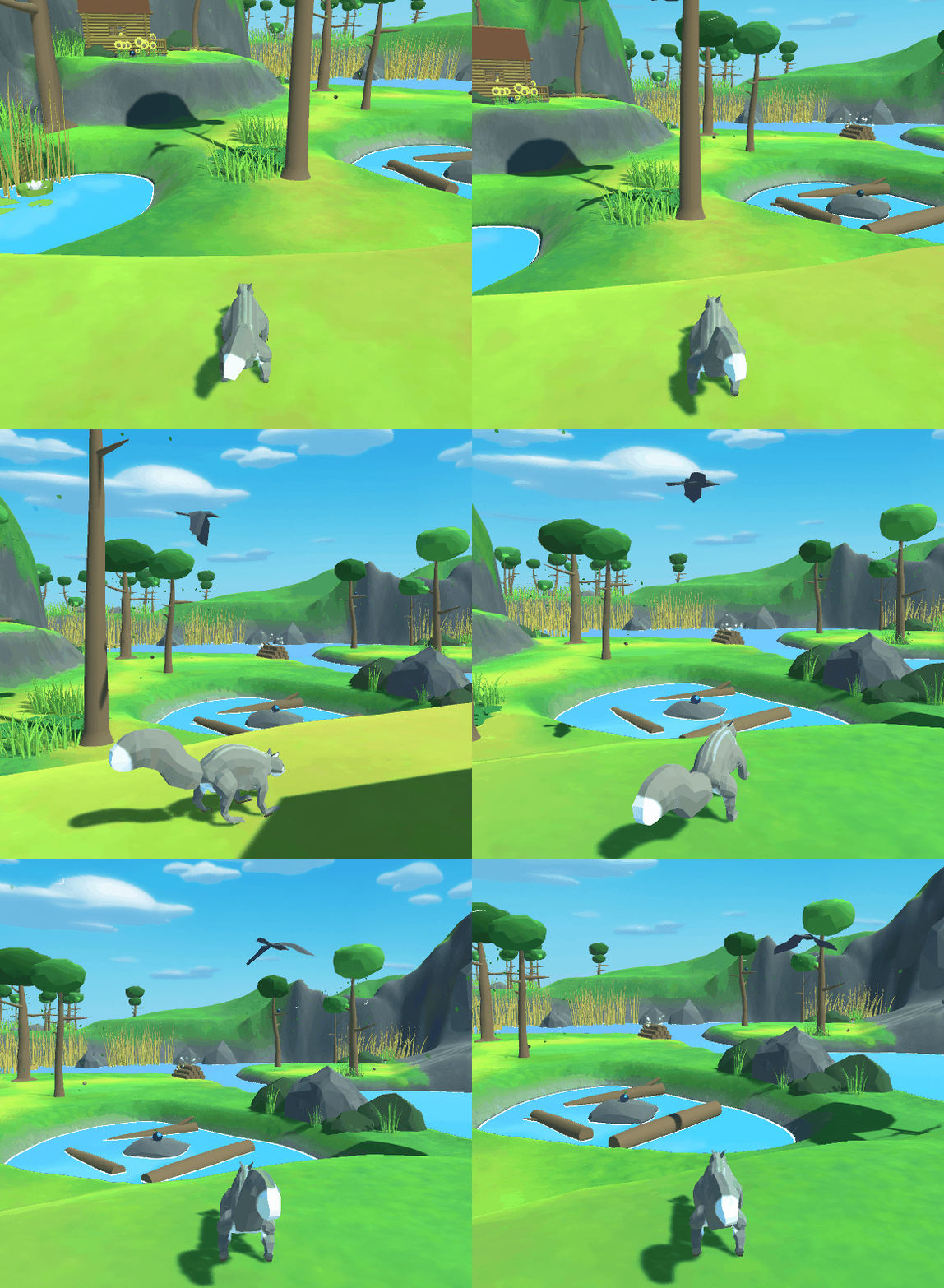
The first enemy introduced was the bird. It was a flying enemy positioned in such a way that when it flew around, the sun would cast its shadow on the ground before the bird itself came into view. The player would become aware of a flying object, and then look up to find the bird. The bird would be further away, outside of its aggro range. Affordances would play in and the player would understand that a bird is probably a predator to a flying squirrel.
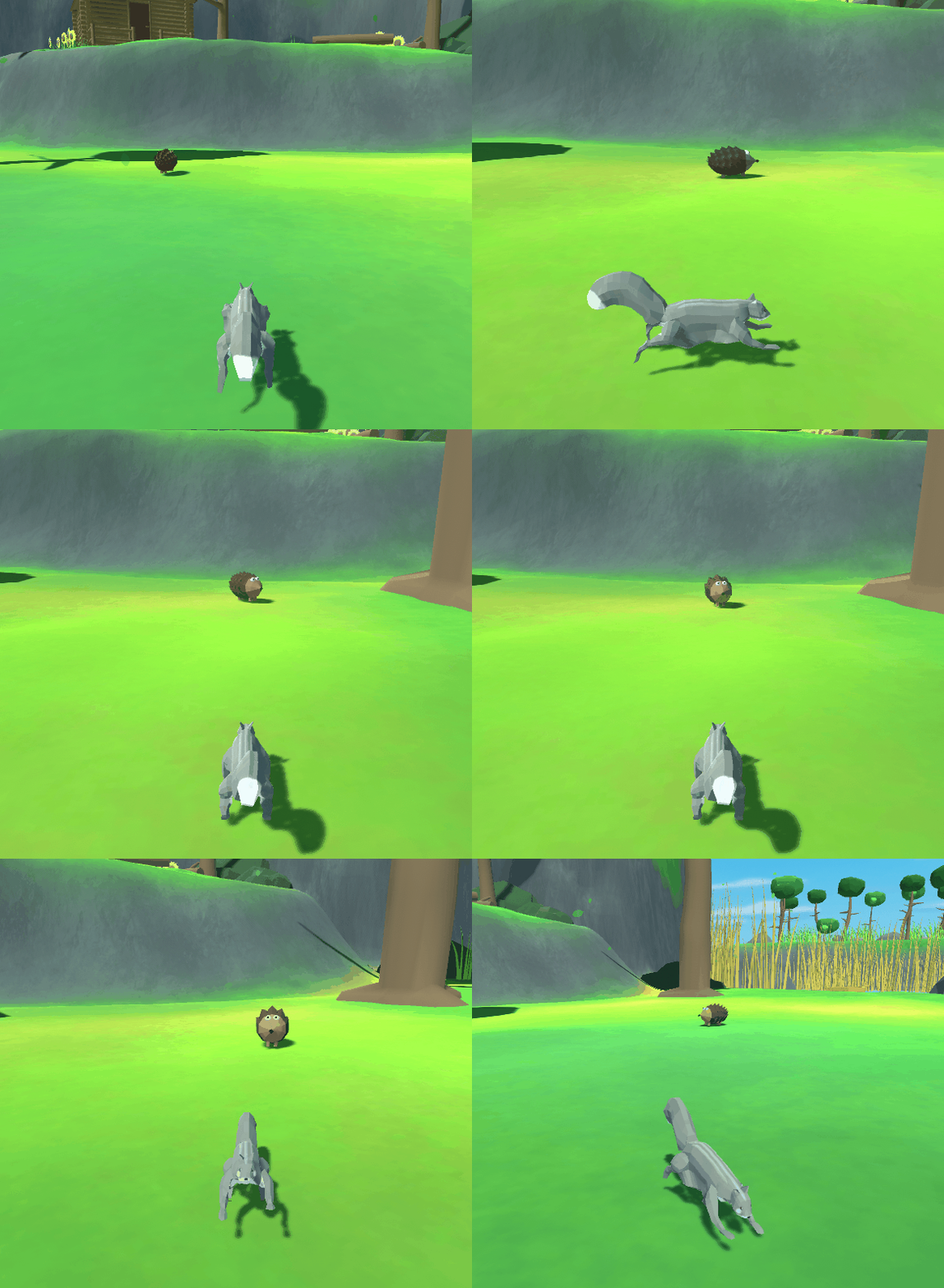
The second enemy introduced was a small hedgehog that patrolled in a smaller area. The hedgehog would be slower than the player. I designed the areas where the hedgehog was present to have fewer trees and obstacles, allowing the player to outrun the hedgehog if it was aggroed.
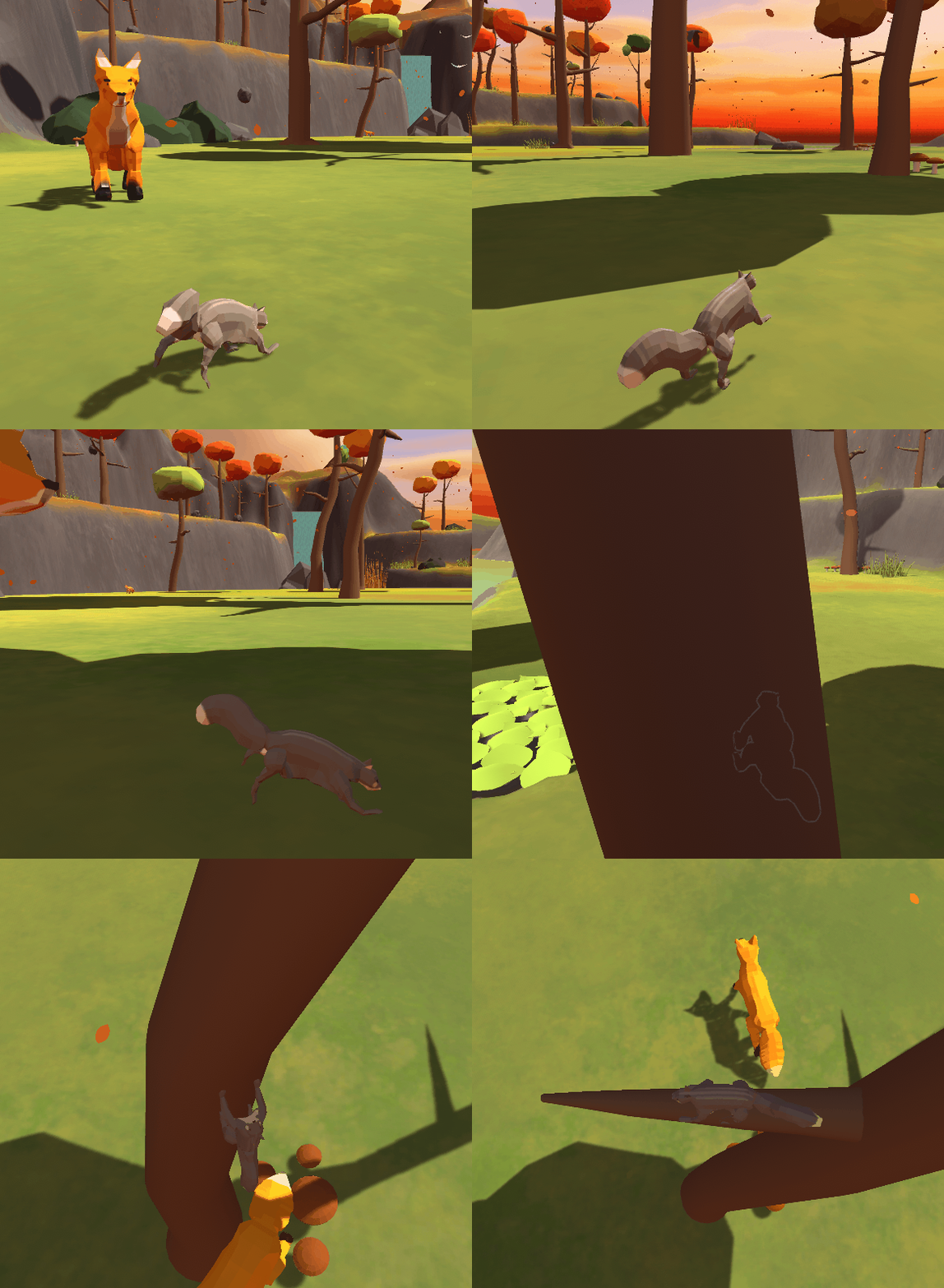
The third and final enemy to be introduced was the Fox. It was a larger enemy, with longer patrol points and it was faster than the player. In the areas where the fox was present, there needed to be more trees and obstacles that the player could climb or jump over in order to escape the Fox.
Sound Design
For Woodland, I used Unity's build in system for the sound. I wrote scripts and used Unity's animation for the sound design.
I created a master mixer that would store the information that could be changed by the player.

The Script for the Master Mixer

I had created an animation and a script to play it whenever the player hit the trigger. I then used the animation to synchronize the sound with the moment when the logs hit the water.
The Script for the Falling Logs animation.
A Script for playing the music and different audio clips at different intervals for the ambience.
I used Unity's 3D-Spatial sound to get the feeling that you would get closer to elements such as, waterfalls, the mire and falling rocks.